Anyone who has stood in the fertiliser aisle of a garden centre – or scrolled through a farm supply catalogue – knows the choice isn’t as simple as “plant food.” The organic-versus-synthetic debate touches on soil health, cost, convenience, and environmental impact, and the right answer often depends on whether you’re feeding a backyard tomato patch or 10 hectares of potato fields. Here’s a practical breakdown of both.
What’s in fertilisers?
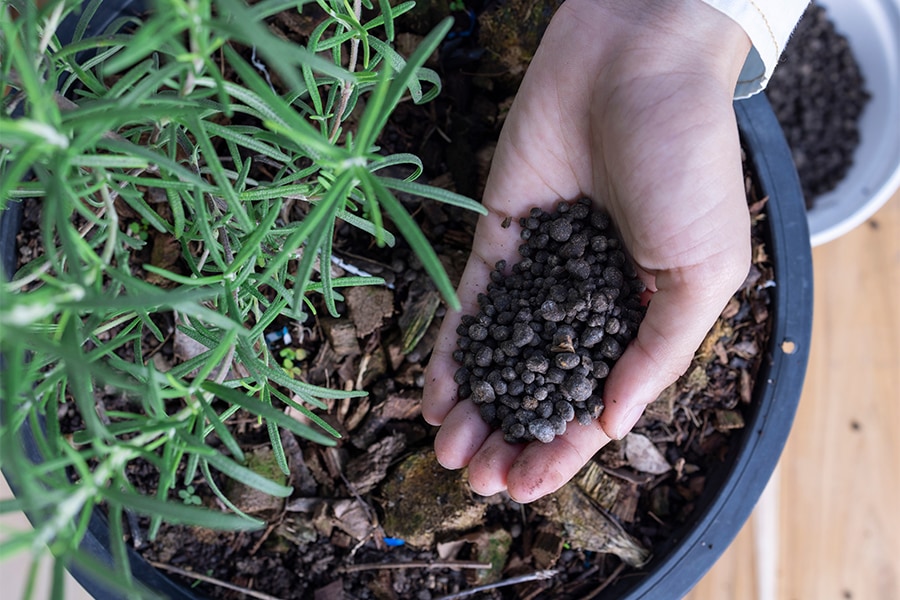
Organic fertilisers are derived from plant, animal, or mineral sources that have undergone little to no synthetic processing. Common ingredients include:
- Compost – decomposed organic matter (food scraps, yard waste) rich in a broad spectrum of nutrients and beneficial microbes
- Manure – from cows, chickens, horses, or other livestock; high in nitrogen and organic matter
- Bone meal – ground animal bones, a strong source of phosphorus and calcium
- Blood meal – dried animal blood, a fast-acting nitrogen source
- Fish emulsion – liquid fish byproducts, providing nitrogen and micronutrients
- Kelp or seaweed extract – supplies potassium and trace minerals, plus natural growth hormones
- Bat guano and worm castings – nutrient-dense, microbially active amendments
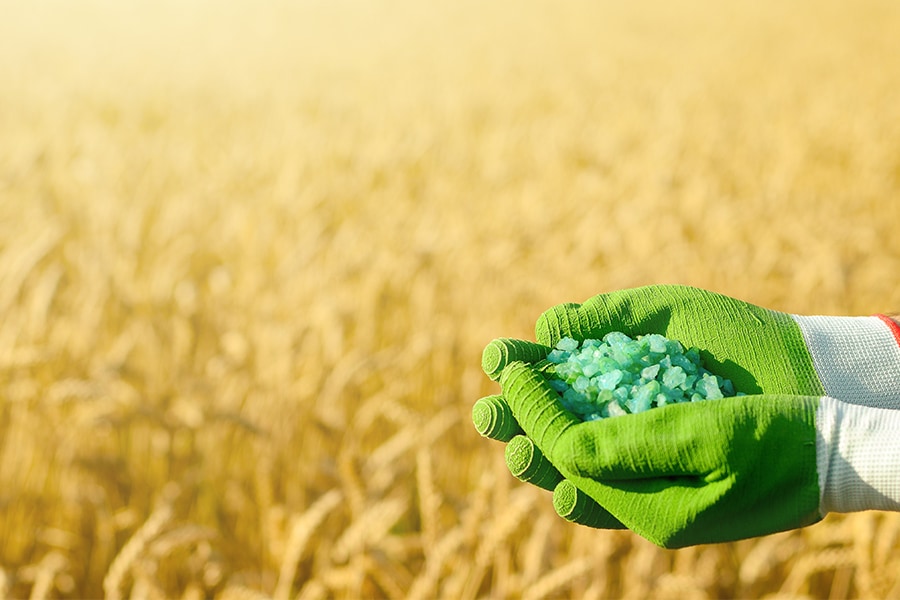
Synthetic fertilisers are manufactured through chemical processes, typically to deliver specific, concentrated ratios of nutrients. Common ingredients include:
- Ammonium nitrate and urea – concentrated nitrogen sources, often produced via the Haber-Bosch process
- Superphosphate or triple superphosphate – processed rock phosphate for a concentrated phosphorus source
- Potassium chloride (muriate of potash) – the most common synthetic potassium source
- Ammonium sulphate – supplies nitrogen and sulphur
- Chelated micronutrients – lab-formulated iron, zinc, manganese, etc., designed for fast plant uptake
Most synthetic products are labelled with an N-P-K ratio (nitrogen-phosphorus-potassium), like 10-10-10, which tells you exactly what you’re getting – something organic fertilisers usually can’t promise with the same precision, since nutrient content varies by batch and source.
Organic fertilisers: Pros and Cons
Pros
- Improve long-term soil structure, water retention, and microbial life
- Release nutrients slowly, lowering the risk of over-fertilising or “burning” plants
- Generally lower risk of nutrient runoff into waterways
- Often align with organic certification standards and sustainable-gardening goals
- Add organic matter that synthetic products don’t provide
Cons
- Nutrient content is less predictable and harder to measure precisely
- Slower to act – not ideal when a plant needs a quick nutrient boost
- Bulkier and often more expensive per pound of actual nutrient delivered
- Can carry weed seeds or pathogens if not properly composted (especially raw manure)
- Sourcing and transporting large volumes is impractical for big operations
Synthetic fertilisers: Pros and Cons
Pros
- Precise, consistent nutrient ratios that are easy to calculate and apply
- Fast-acting – visible results within days for nutrient-deficient plants
- Cost-effective per unit of nutrient, especially at scale
- Easier to store, transport, and apply uniformly over large areas
- Widely available in specialized formulas (bloom boosters, lawn starter blends, etc.)
Cons
- Do little to build long-term soil health or microbial activity
- Higher risk of over-application, which can burn roots or damage plants
- Prone to runoff, contributing to water pollution and algal blooms
- Repeated use can lead to dropped soil pH or nutrient imbalances over time
Production is energy-intensive and reliant on fossil fuels (particularly nitrogen synthesis)
Common use cases: home gardeners vs. commercial growers
Home and backyard use
Most home gardeners will want to use organic, and for good reason. A vegetable patch, flower bed, or lawn benefits from the slow, steady nutrient release and soil-building qualities of compost, manure, or slow-release organic blends. Because home gardeners are working with smaller areas, the cost-per-nutrient disadvantage of organic products matters less, and many people value the reduced risk of chemical runoff into local soil and groundwater. That said, synthetic fertilisers still show up in home use – particularly for houseplants, container gardens, or lawns needing a fast green-up, where precise, quick-acting formulas are genuinely useful.
Commercial and large-scale agriculture
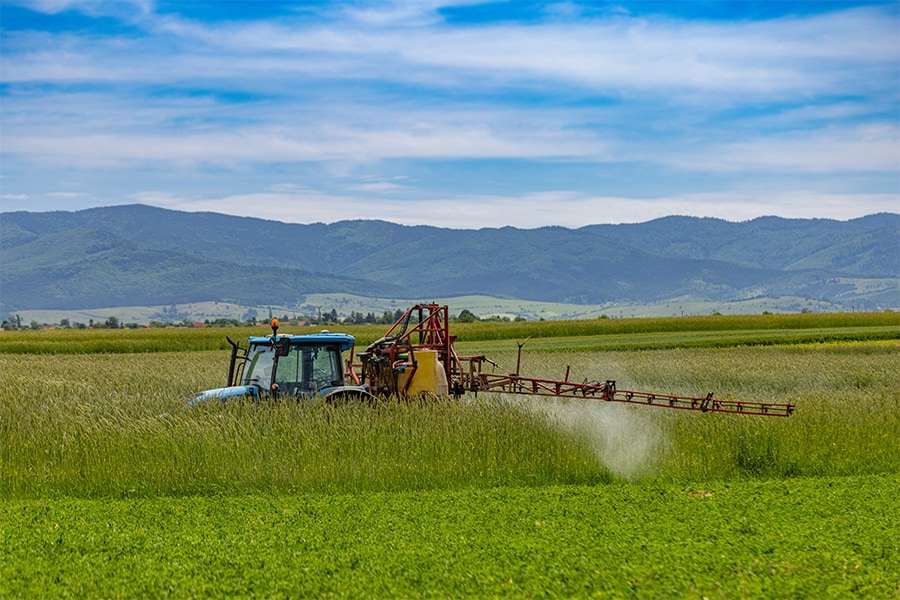
Commercial farms rely on synthetic fertilisers because of the scale involved. Feeding hundreds of hectares requires predictable, concentrated nutrients that can be applied efficiently with mechanised equipment. With synthetic fertilisers it’s possible to correct deficiencies quickly, hit exact nutrient targets per crop cycle, and keep costs manageable at volume. Organic approaches are used commercially too, especially by certified-organic operations, but they require more land management, composting infrastructure, and labour- trade-offs that make sense for growers targeting the organic market (and can therefore command a higher price) but that are harder to justify for high-volume conventional farming.
A middle ground: integrated approaches
Many gardeners and farmers don’t pick one side exclusively. It’s common to use organic nutrients to build soil health over time while supplementing with targeted synthetic fertilisers when a crop shows a specific deficiency. This hybrid approach tries to capture the long-term soil benefits of organics with the precision and speed of synthetics.
The bottom line
There’s no universally “better” fertiliser – only the better fit for your goals, scale, and values. Organic fertilisers are usually slow-working and promote healthy soil. So if you’re nurturing a home garden and care about long-term soil health, organic fertilisers are usually worth the extra cost and patience. Synthetic fertilisers on the other hand are designed to target the crop directly and accurately. If you’re managing a large operation where precision and efficiency drive the bottom line, synthetic fertilisers are hard to beat. Understanding what’s actually in the bag – and what it does to your soil over time – is the real key to making an informed choice.