For decades, China has dominated the global chemicals market, serving as the world’s factory for everything from basic petrochemicals to sophisticated specialty compounds. But in recent years, the balance is slowly tipping and one particular country is emerging as a growing force in chemical manufacturing – India.
So, what are the leading factors to India’s rising presence as a chemical powerhouse?
The China-Plus-One Strategy
Prior to the COVID-19 pandemic, China was the ‘basket’ into which global corporations placed their ‘eggs’ in terms of chemical manufacturing and sourcing. Since then, the vulnerabilities of over-reliance on a single manufacturing hub has led to global corporations actively diversifying their sourcing strategies. India, with its established chemical manufacturing base and skilled, English-speaking workforce, stands out as a natural beneficiary of this “China-Plus-One” or “C+1” approach.
Regulatory Tailwinds
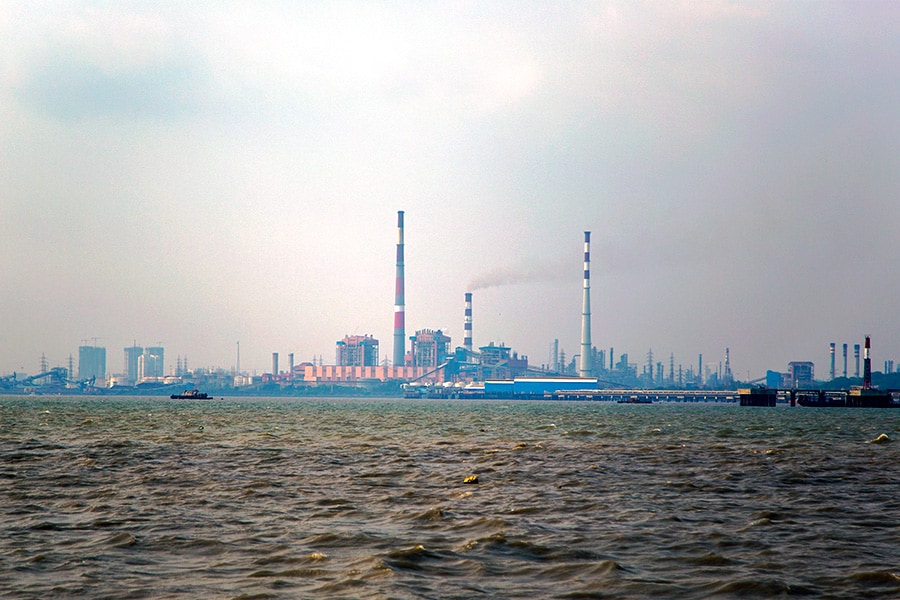
China’s increasingly stringent environmental regulations have led to the shutdown of numerous chemical facilities, particularly in coastal provinces. This regulatory crackdown has driven up costs and created supply gaps that Indian manufacturers are eager to fill. Meanwhile, India is working to balance environmental compliance with industrial growth, creating a more predictable operating environment for chemical companies.
Rising demand
A growing world population has led to a higher demand from end-user industries such as food processing, personal care and home care. India is increasing seen as a key player in these industries, backed by internal policies such as the ‘Make in India’ initiative.
Cost Competitiveness
While India may not match China’s scale, it offers:
- Lower labour costs compared to developed markets
- Competitive energy prices in certain regions
- Growing domestic demand that provides a stable base
- English-speaking workforce making global business interactions easier
Where India Shines
India’s specialty chemicals sector has shown particular strength in several segments:
- Agrochemicals – India is already the fourth-largest producer globally
- Dyes and pigments – A traditional stronghold with deep expertise
- Pharmaceutical intermediates – Leveraging the country’s API manufacturing prowess
- Flavors and fragrances – Growing rapidly with rising domestic consumption
- Surfactants and personal care chemicals – Benefiting from the beauty and wellness boom
The Challenges Ahead
However, it’s not all smooth sailing. India must address several hurdles to truly capitalize on this opportunity:
Infrastructure Gaps
Despite improvements, India’s logistics infrastructure—ports, roads, and warehousing—still lags behind China. Transportation costs and delays can erode the cost advantages that Indian manufacturers offer.
Scale Limitations
Many Indian chemical companies are small to mid-sized enterprises. Achieving the scale necessary to compete globally requires significant capital investment and consolidation.
R&D Investment
Specialty chemicals demand continuous innovation. Indian companies must increase their R&D spending to move up the value chain and avoid competing solely on price.
Skilled Talent
While India produces a large number of engineering and chemistry graduates, the industry needs more specialized talent trained in advanced manufacturing processes and quality control.
The Numbers Tell a Story
The Indian specialty chemicals market, valued at approximately $32-35 billion, is projected to grow significantly over the next five years. Exports have been climbing steadily, and several Indian chemical companies have delivered impressive financial performances, attracting both domestic and foreign investment.
Major global players are also taking notice, with companies like BASF, Lanxess, and Evonik expanding their Indian operations or forging partnerships with local manufacturers.
So, is it India’s time in specialty chemicals?
The global realignment of supply chains, China’s challenges, and India’s inherent advantages create a window of opportunity that may not remain open indefinitely.
However, seizing this moment requires:
- Continued government support through policies like PLI (Production Linked Incentive) schemes
- Private sector investment in capacity and capabilities
- A focus on sustainability and green chemistry
- Building deeper technical expertise and innovation capacity
India may not replace China overnight, nor should that be the goal. But carving out a significant share of the $800+ billion global specialty chemicals market? That’s not just possible – it’s increasingly probable.