The hidden green pharmacy
Most people reach for a painkiller without thinking much about it. They take an aspirin for a headache, use a morphine-based prescription after surgery or apply a menthol cream to an aching muscle. Few realise that the relief they feel comes from the natural world. Plants & trees have been the foundation of modern pharmacology, and contemporary medicine owes an enormous debt to the botanical world.
The Willow Tree & the birth of Aspirin
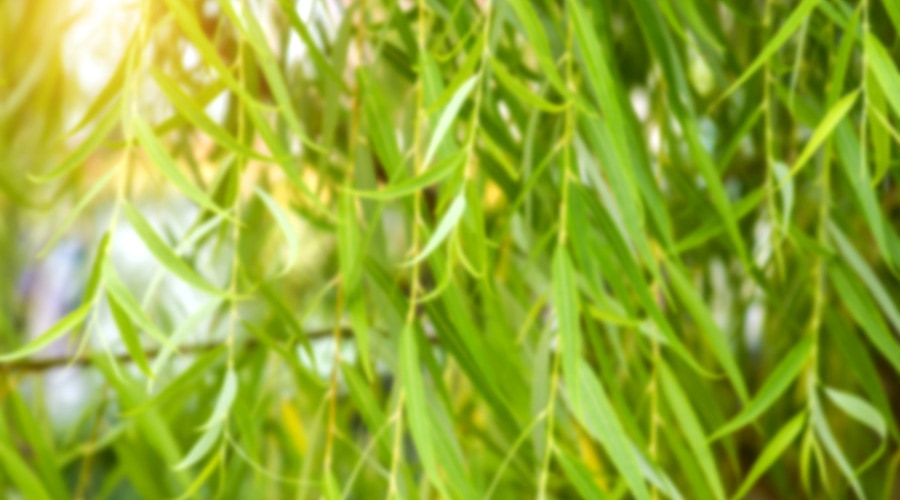
Aspirin is perhaps the best example of a plant-derived medicine. This drug sits in many people’s medicine cabinets and was developed directly from salicin, a compound found in the bark of the willow tree. Ancient civilisations chewed this bark for centuries to relieve pain & fever long before anyone understood why it worked. Scientists did not isolate the active compound until the nineteenth century when they refined it into acetylsalicylic acid which we now call aspirin. The willow tree had been offering humanity a painkiller for thousands of years – we just didn’t understand it fully.
Morphine, Codeine, and the Opium Poppy
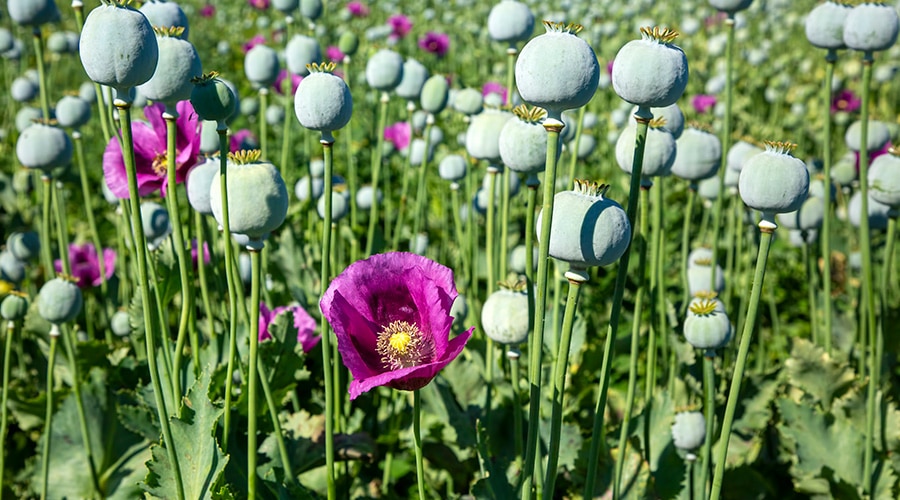
The opium poppy, Papaver somniferum, is arguably the most medically significant plant in human history. Its milky latex produces morphine, codeine, and related compounds that form the backbone of pain management in hospitals worldwide. Without the opium poppy, modern surgery would be unrecognisable. Patients undergoing major operations, cancer sufferers managing chronic pain and individuals recovering from serious injuries all rely on derivatives of this single flowering plant. This extraordinary medical legacy grows from a delicate flower that is as unassuming as it is beautiful.
The Rosy Periwinkle and cancer treatment
The rosy periwinkle is a modest flowering plant native to Madagascar that tells one of the most powerful stories for plant conservation. Even before western scientists got a hold of it, practicioners of traditional medicine used the roots and shoots against numerous diseases including malaria and diabetes. In the 1950’s, Canadian scientists were able to extract vincristine and vinblastine from this seemingly unremarkable plant and thus revolutionised the treatment of childhood leukaemia & Hodgkin’s lymphoma.
Before these plant-derived drugs were developed childhood leukaemia had a survival rate of roughly twenty percent. Today that figure stands at over ninety percent. A small tropical flower changed the fate of countless children, yet most people have never heard its name.
Quinine and the fight against Malaria
Indigenous peoples of South America used the bark of the cinchona tree to treat fevers long before pharmaceutical laboratories existed. That bark contained quinine, a compound that became the primary treatment for malaria and saved millions of lives across the globe. The British Empire’s love of tonic water, which originally contained therapeutic doses of quinine, is a curious cultural footnote to one of medicine’s greatest botanical discoveries. The cinchona tree fundamentally altered the course of human history by making tropical regions survivable for those who would otherwise have died from malaria.
Taxol & the Pacific Yew Tree
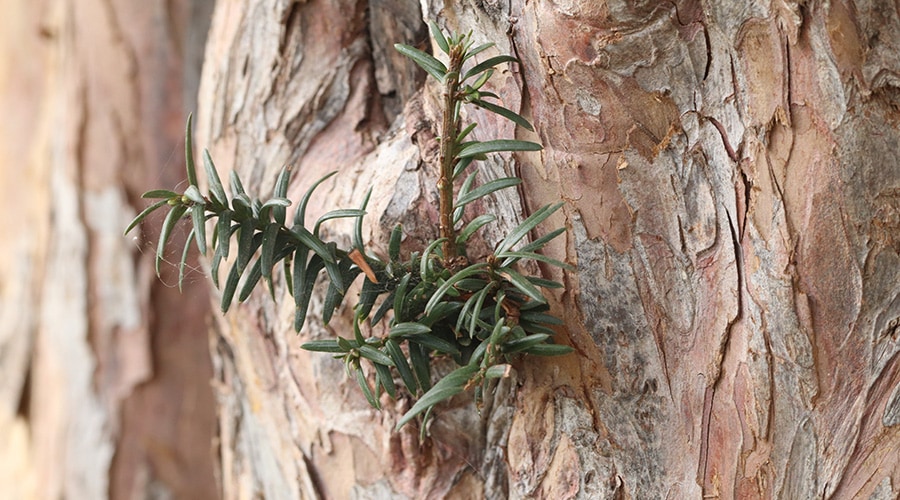
Scientists discovered in the latter half of the twentieth century that the bark of the Pacific yew tree contained paclitaxel, marketed as Taxol. This substance proved to be a powerful weapon against ovarian, breast and lung cancers. The discovery was so significant that it prompted urgent conservation efforts because harvesting the bark killed the trees and their slow growth rate made sustainable supply difficult. This tension between medical need and environmental responsibility highlights a vital point. When we lose plant species to deforestation and habitat destruction, we may destroy future medicines before we ever discover them.
Why this matters more now
The botanical origins of modern drugs are not merely historical curiosity. They represent an urgent argument for conserving the natural world. Scientists estimate that only a fraction of the world’s plant species have been studied for their medicinal potential. The rainforests, wetlands, and ancient woodlands that we’re currently clearing at an alarming rate should pose one important question – what cures are we missing because of this?
Every tree felled & every plant species driven to extinction represents a door closed on possibilities we have not yet imagined. The next time you reach for a painkiller, consider its true origins. That small tablet in your hand is not merely the product of a laboratory. It is the culmination of millions of years of natural evolution and human discovery.