Dairy and gluten intolerance have become increasingly common over the past decade, affecting millions of people worldwide. In this blog post, we’ll explore the prevalence of these conditions, and the role that chemicals play in helping those affected.
The growing prevalence of dairy and gluten Intolerance
Studies have shown that the prevalence of both dairy and gluten intolerance has increased significantly over the past 10 years. According to a Mayo Clinic study, the increase in celiac disease, an autoimmune disorder triggered by gluten consumption, has grown four-folds since the 1950s. Similarly, lactose intolerance, the inability to digest lactose found in dairy products, affects approximately 65% of the adult population.

Several factors may contribute to this increase, including changes in dietary habits, improved diagnostic methods, and increased awareness of these conditions – as more people become aware of the symptoms associated with dairy and gluten intolerance, they are more likely to seek medical advice and receive a proper diagnosis.
How chemicals and food additives help those affected
As the prevalence of dairy and gluten intolerance has grown, so has the demand for alternative food products. Chemical compounds and additives play a crucial role in creating these alternatives, allowing individuals with these conditions to enjoy a wider variety of foods without experiencing adverse health effects.
For those with gluten intolerance or celiac disease, additives such as xanthan gum, guar gum, and hydroxypropyl methylcellulose (HPMC) are used to improve the texture and quality of gluten-free baked goods. These compounds act as thickeners, emulsifiers, and stabilizers, helping to create products that closely resemble their gluten-containing counterparts.
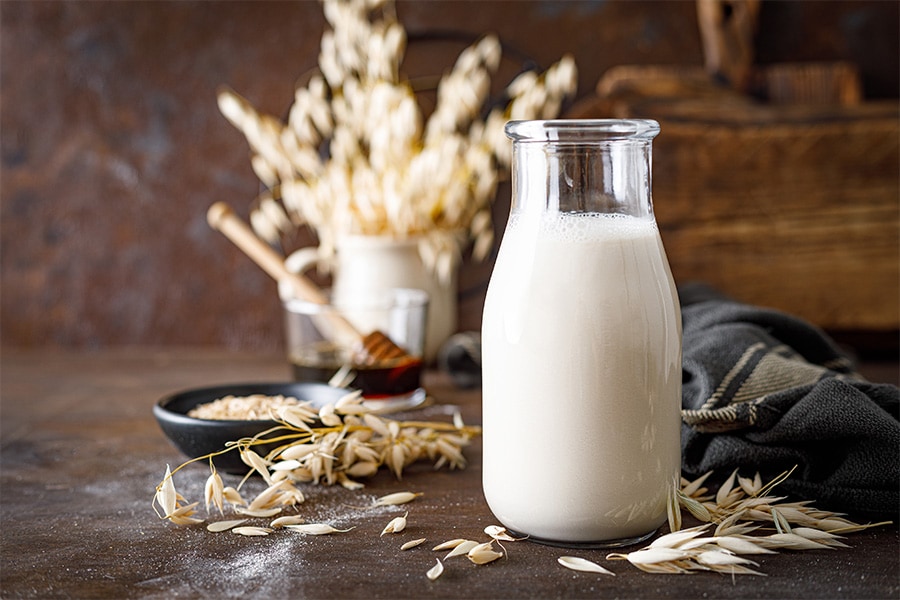
Similarly, for individuals with dairy intolerance or those following a vegan lifestyle, ingredients such as soy lecithin, carrageenan, and pea protein are used to create dairy-free alternatives. These compounds help to improve the texture, consistency, and nutritional value of non-dairy milk, cheese, and other products.
Conclusion
The prevalence of dairy and gluten intolerance has increased significantly over the past 10 years, affecting a growing number of people worldwide. As awareness of these conditions continues to rise, so does the demand for alternative food products.
Chemicals play a vital role in creating these alternatives, allowing individuals with dairy and gluten intolerance to enjoy a wider variety of foods without compromising their health. With research in this field progressing, we can expect to see further advancements in the use of chemicals to create even better alternatives for those affected by these conditions.
PlusChem is one of the largest chemical distribution networks and is ideally positioned to provide most chemicals and ingredients required in today’s fast-moving food industry. If you’re looking for new suppliers of food ingredients or chemicals, contact us today.

Meet some of our members at Food Ingredients (Fi Europe) 2025 in Paris from Dec 2nd – 4th. Follow this link for more information on Fi.